27 May 2026
When the Lights Come On: Artificial Illumination's Role in Shaping Visibility and Game Dynamics for Evening Sports Events
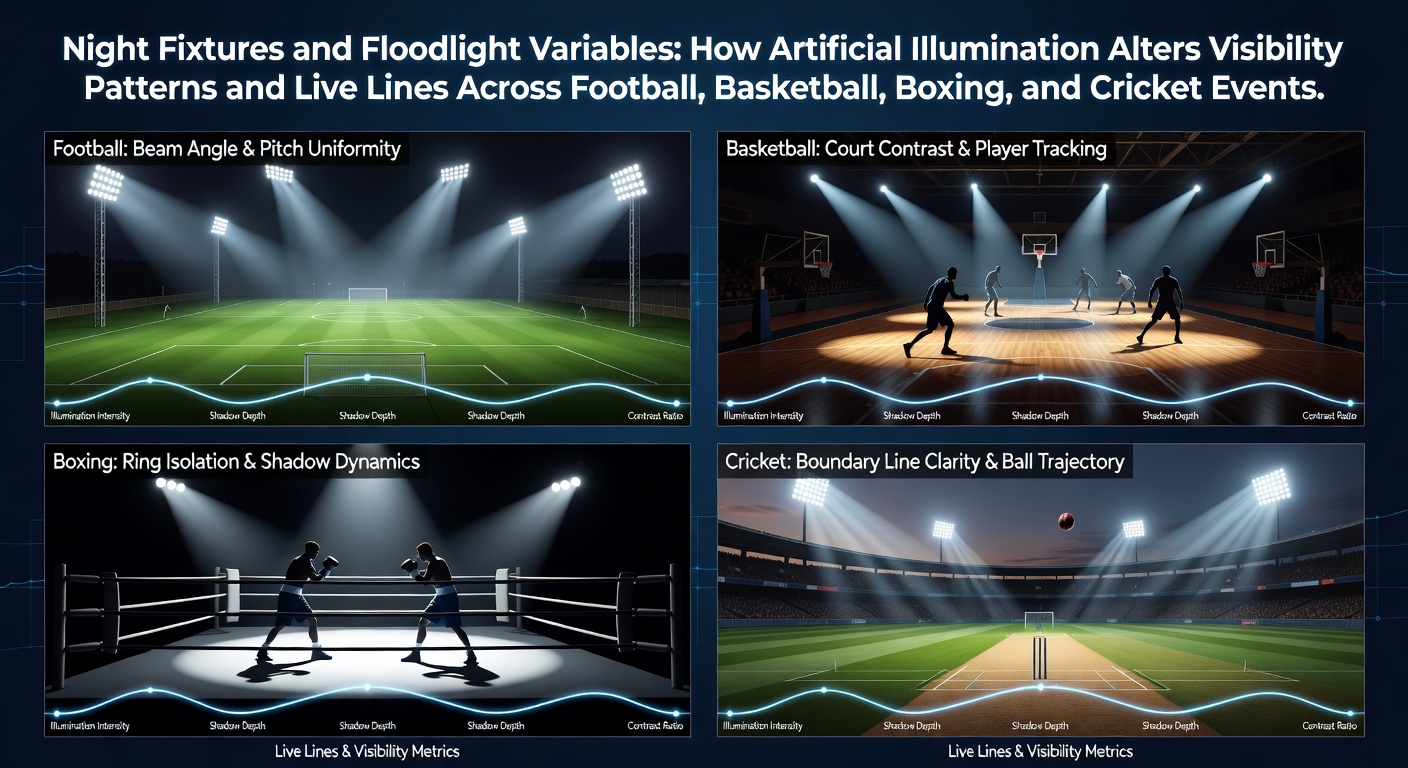
Evening fixtures across multiple sports rely on artificial lighting systems that create distinct visibility conditions compared to natural daylight, and these setups influence player reactions along with statistical outputs that feed into live betting adjustments. Football leagues schedule many matches under floodlights during winter months when daylight fades early, while basketball arenas maintain consistent indoor illumination year-round yet still experience variations from overhead arrays. Boxing events often feature ring lights that cast sharp shadows, and cricket day-night matches use stadium towers positioned to cover large outfields without creating dark patches near boundaries.
Lighting Variables Across Different Venues
Light intensity levels differ by sport and facility, with football pitches typically requiring 1200 to 1500 lux for broadcast standards, whereas basketball courts operate around 2000 lux to ensure clear sightlines for fast movements. Researchers at the Australian Institute of Sport have documented how uneven light distribution leads to glare spots near certain angles, forcing athletes to adjust their positioning mid-play. In cricket, tall floodlight masts positioned around the boundary create cone-shaped illumination patterns that leave transitional zones where balls can appear to dip or rise unexpectedly during evening sessions.
Boxing rings use concentrated spotlights above the canvas that produce high contrast between the brightly lit center and dimmer corners, a setup that data from multiple professional bouts shows correlates with shifts in punch accuracy metrics during later rounds. Observers note that temperature fluctuations from lighting equipment can also affect ball grip in outdoor cricket and football, though indoor basketball environments maintain steadier conditions through climate control.
Football and Basketball Visibility Patterns
Football night games often see increased crossing attempts from wide areas because floodlights highlight open spaces differently than daylight, and league tracking systems record higher assist numbers in these conditions. Basketball players adapt to consistent arena lighting yet still face challenges when traveling to venues with older fixtures that produce more flicker, a factor that performance analysts link to slight drops in three-point percentages during road contests. Those who've reviewed match data across European leagues find that teams playing under newer LED systems post marginally higher possession retention rates, since the lights reduce shadows near the goalmouth.
Cricket and Boxing Lighting Effects
Cricket day-night internationals scheduled for May 2026 in several host nations will test updated floodlight protocols designed to minimize boundary visibility dips during the transition from dusk. Historical records indicate that spinners gain slight edges in these settings because the ball's seam becomes harder to track under mixed natural and artificial light. Boxing promotions utilize adjustable ring lights that promoters raise or lower based on fighter heights, and medical staff have recorded fewer eye-related stoppages when illumination meets updated safety thresholds set by athletic commissions in North America.
Statistical Shifts and Live Market Responses
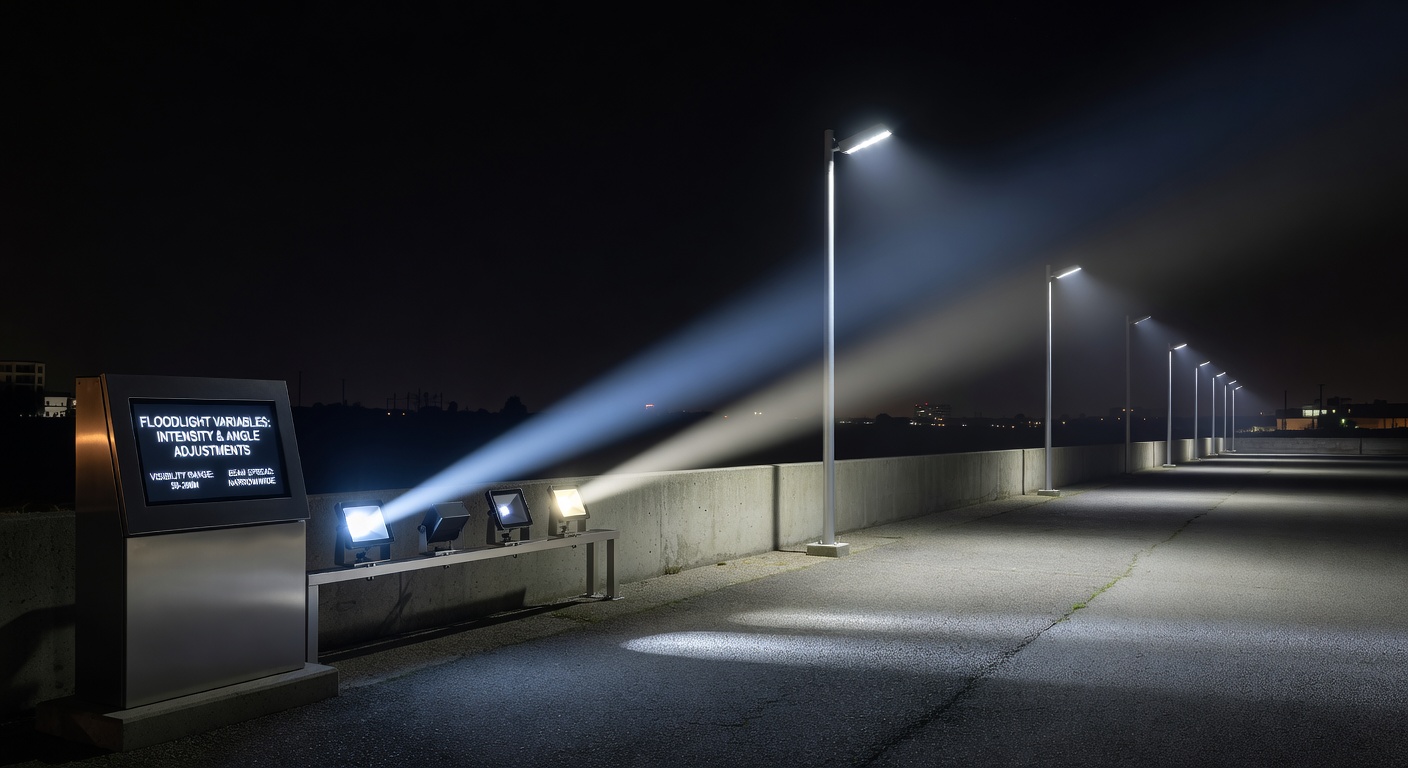
Performance databases maintained by sports governing bodies show measurable differences in key metrics under floodlights, such as football shot conversion rates rising by small percentages in evening fixtures while basketball rebound percentages fluctuate based on light temperature. Cricket analysts tracking T20 leagues report elevated six-hitting numbers after sunset because batters time the ball better against illuminated backgrounds. These patterns prompt betting operators to recalibrate live lines as matches progress, with totals markets often seeing adjustments once initial overs or quarters reveal how the lighting interacts with each venue's unique setup.
Studies conducted through the International Tennis Federation's research arm, though focused on related racket sports, have parallels in how artificial light affects depth perception, and similar findings apply to cricket fielding where boundary catches increase when floodlights eliminate certain visual distortions. In boxing, punch volume data collected by the Nevada State Athletic Commission indicates steadier output in well-lit rings compared to older venues with uneven coverage.
Adaptation and Scheduling Considerations
Athletes and coaching staffs prepare for night fixtures by incorporating specialized vision drills during training, a practice that has become standard across professional football and basketball programs. Cricket teams traveling for day-night series factor in acclimatization periods, while boxing camps emphasize ring familiarization sessions under simulated lighting. Scheduling bodies coordinate these elements months ahead, and events planned for May 2026 will incorporate feedback from prior seasons to refine light placement and reduce transitional visibility issues.
Equipment upgrades continue across venues, with many facilities transitioning to LED arrays that offer instant brightness control and reduced energy draw, changes that technical reports link to more uniform field coverage. These modifications alter the baseline conditions that statistical models use when projecting game outcomes under artificial illumination.
Conclusion
Artificial lighting systems establish specific visibility frameworks that shape how athletes perform in football, basketball, boxing, and cricket, and the resulting statistical variations inform adjustments in live betting environments. Data compiled by international sports organizations and national athletic bodies continues to track these effects as venues modernize their illumination technology. Events scheduled around May 2026 will provide additional datasets that clarify how ongoing refinements influence both gameplay and market responses across these disciplines.