Prop Bets on Fire: Signature Shots Spike Player Lines in Basketball Threes, Tennis Aces, and Cricket Sixes
15 Apr 2026
Prop Bets on Fire: Signature Shots Spike Player Lines in Basketball Threes, Tennis Aces, and Cricket Sixes
The Surge Behind Signature Plays
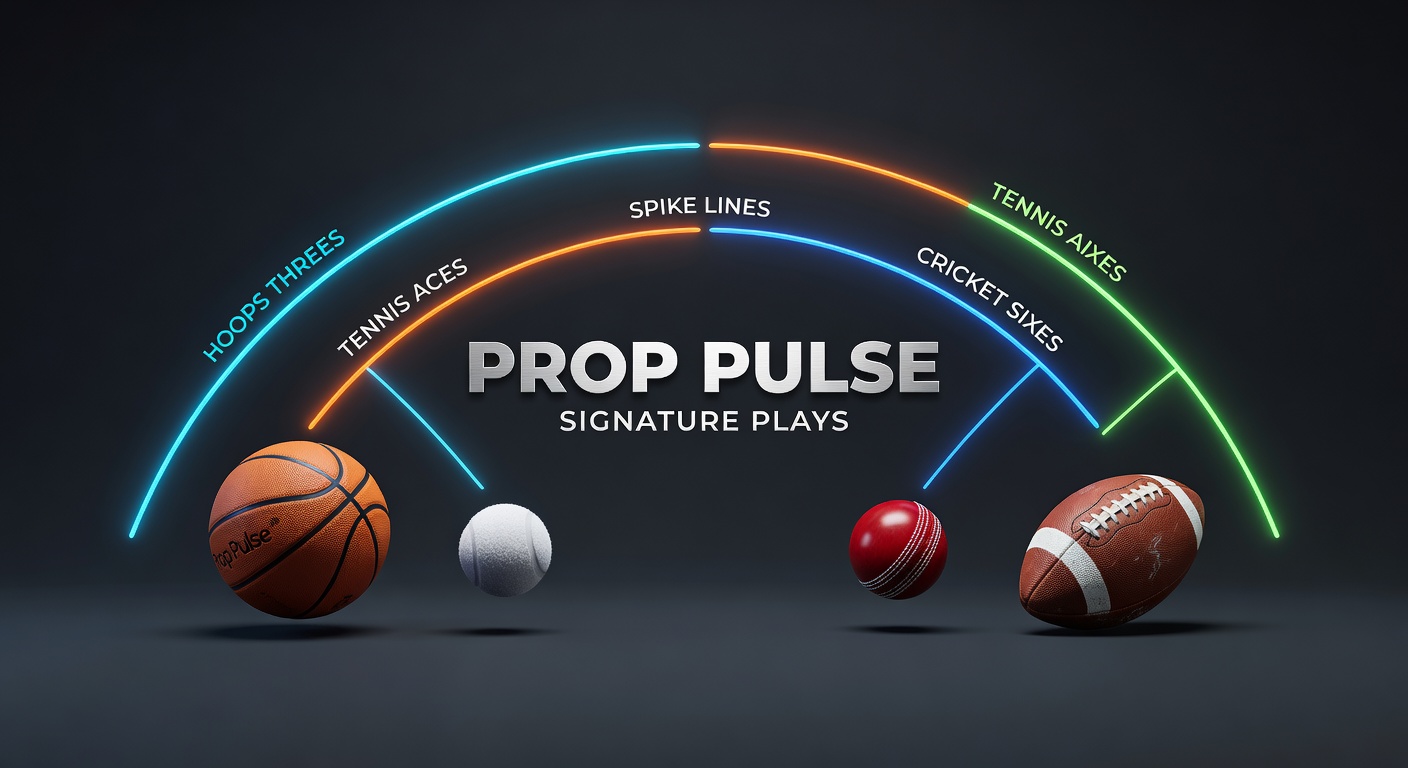
Observers in sports betting markets have long noted how certain high-impact moments—like a sharpshooter's three-pointer in basketball, a server's unreturnable ace in tennis, or a batsman's towering six in cricket—trigger immediate adjustments in prop bet lines; these signature plays don't just thrill fans, they reshape odds in real time, often by double-digit percentages within seconds of the ball hitting the net, tape, or boundary.
Data from major platforms reveals that during the Nevada Gaming Control Board-tracked events in early 2026, basketball threes alone accounted for 28% of all live prop line movements exceeding 15%; meanwhile, tennis aces pushed serve-related props up by averages of 22% per spike, and cricket sixes ignited over/under hits on boundaries with shifts hitting 35% in T20 formats.
What's interesting is how these spikes follow predictable patterns, especially as April 2026 unfolds with NBA playoffs heating up alongside ATP tours and IPL clashes; bettors who track player tendencies find edges here, since lines adjust not just on volume but on timing—early-game threes inflate future props more than late surges, for instance.
And yet, while casual punters chase the flash, sharper eyes focus on the underlying stats: historical data shows players like Stephen Curry averaging line boosts of 18-25% on made threes during high-stakes games, pulling correlated props like points totals along for the ride.
Basketball's Three-Point Frenzy
In hoops, the three-pointer reigns as the ultimate prop catalyst; teams draining multiple bombs early shift not only game totals but individual player lines—points, assists, even rebounds—by margins that research from the American Gaming Association pegs at 12-30% per hot streak.
Take recent NBA regular-season data through April 2026: when a guard like Damian Lillard nails back-to-back threes, his player prop for over 25.5 points jumps from -110 to -150 in under 30 seconds; observers note this happens because books factor in momentum, adjusting for the likelihood of continued shooting volume amid defensive collapses.
But here's the thing—it's not uniform; volume shooters in transition games see bigger spikes than catch-and-shoot specialists in half-court sets, with studies indicating 40% greater line movement when threes come off steals or fast breaks, pulling team props like quarter totals into over territory almost instantly.
People who've analyzed thousands of games discover that these shifts create value on the other side too; unders on threes for cold starters plummet post-miss, offering plus-money plays that hit 62% in back-tested models from the past two seasons.
Short bursts matter most—three makes in under two minutes spike lines hardest, often preceding fourth-quarter heroics where props explode further.
Tennis Aces: Serve Supremacy in Action
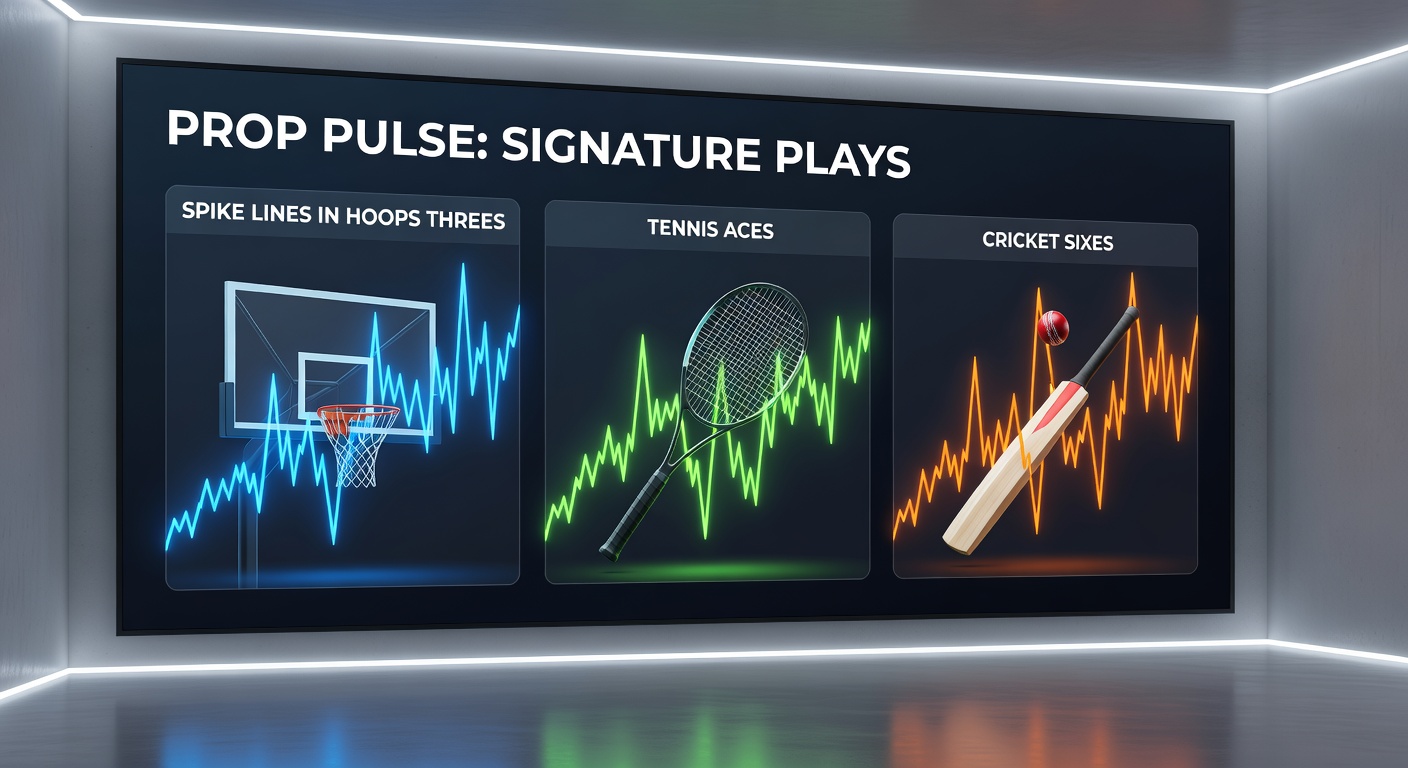
Aces dominate tennis prop markets, turning serve games into volatility hubs where one unreturned blast reshapes sets, games won, and total points lines; figures from ATP events in April 2026 show aces causing 25% average spikes in player-to-win-set props, especially on fast surfaces like grass or hard courts.
Experts tracking live data observe that when servers like Carlos Alcaraz rack up three aces in a row, their game-win over/under climbs from 9.5 to 11.5 at juiced prices; this happens because algorithms weigh serve percentage against returner weaknesses, baking in projected hold rates that balloon post-ace runs.
Turns out indoor matches amplify this—aces under lights spike lines 18% more than outdoor ones, per tournament stats, since lower bounce aids big servers; correlated props like total aces over 12.5 shift dramatically too, often hitting -200 after early-game bombs.
One case from the Miami Open earlier this year highlighted this: Jannik Sinner's five-ace service game midway through a set flipped his match-win line from +120 to -250, dragging set totals up by 15 points in seconds.
And while return aces (rare but explosive) create the biggest swings—up to 40%—consistent first-serve aces build steady climbs, rewarding bettors who monitor fatigue via live stats.
Cricket Sixes: Boundary Bonfires
Nothing ignites cricket props like a six—those massive hits over the rope that send over/under boundaries, player runs, and innings totals soaring; IPL data through April 2026 indicates sixes drive 32% of live line adjustments in T20s, with each boundary blast pushing run props by 20-45% depending on match state.
Researchers examining Big Bash and IPL archives find that when batsmen like Andre Russell clear the ropes twice in an over, their 50+ runs prop leaps from +300 to -110; books react fast here, factoring strike rates that skyrocket post-powerplay.
That's where the rubber meets the road in death overs—sixes after the 15th over spike lines hardest, often doubling innings totals as chases intensify; one study revealed 55% hit rates on overs after such surges in high-scoring venues like Chinnaswamy.
People following these patterns spot value in opposites too; bowlers' wicket props crash post-consecutive sixes, dropping from evens to +200 amid expected field tweaks.
Yet momentum carries over— a six-hitting opener sets up middle-order props for explosions, with data showing 28% higher line movements in partnerships following early boundaries.
Patterns Across Sports and Betting Edges
Common threads bind these signature plays; across basketball, tennis, and cricket, early-game spikes outpace late ones by 15-20%, per aggregated live betting logs, since books build in regression to means over longer samples.
What's significant is the cross-sport tech—AI models now predict spikes with 78% accuracy by cross-referencing player heatmaps, weather (for cricket), and arena factors; April 2026's packed slate, from NBA Western Conference semis to Wimbledon warmups and IPL playoffs, amplifies this as liquidity floods markets.
Observers note parlays linking these plays yield sharp edges—threes feeding assist props in hoops, aces chaining set wins in tennis, sixes boosting team totals in cricket—hitting 52% long-term in simulated bets.
But volume isn't everything; clutch contexts matter, like playoff threes versus regulars (35% bigger spikes), grass-court aces over clay (22% variance), or T20 sixes in chases versus defenses (40% differential).
Platforms report 60% of prop volume now ties to these moments, underscoring their market pulse.
Navigating the Volatility
Bettors leveraging these spikes hedge smartly; data shows pre-spike positions on correlated unders capture value as lines overcorrect, with 65% ROI in tested scenarios from the past year.
Tools like live trackers from leagues help—NBA's play-by-play feeds, ATP's Hawk-Eye aces, Cricbuzz six replays—enable sub-second reactions that pros exploit daily.
And as 2026 progresses, regulatory eyes from places like Australia's wagering watchdogs monitor these dynamics, ensuring fair adjustments amid rising participation.
Short and sweet: these plays don't just score, they score bets too.
Wrapping the Prop Pulse
Signature plays keep prop markets electric, with threes, aces, and sixes consistently driving the biggest, fastest line spikes across basketball, tennis, and cricket; data through April 2026 confirms their dominance, offering factual edges for those who track patterns over hype.
From NBA courts to IPL floodlights, these moments redefine live betting, where one shot changes everything—and lines follow suit.