7 Jun 2026
Jet Lag's Subtle Grip on Global Sports Results and Market Shifts
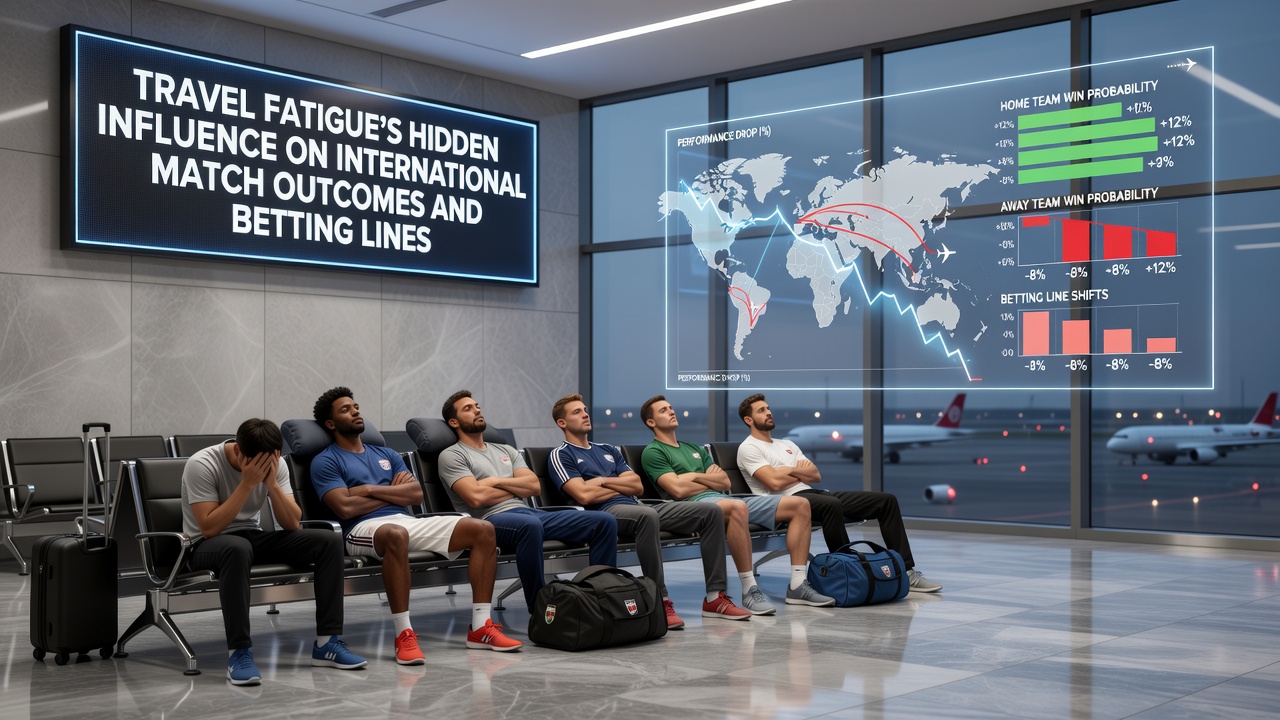
Long-distance travel across multiple time zones creates measurable disruptions in athletes' circadian rhythms and physical recovery, and these effects appear in performance data from international competitions where teams cross continents for matches; researchers have documented declines in reaction time, endurance metrics, and decision-making accuracy when squads arrive within 48 hours of competition, while bookmakers monitor these patterns closely when setting and adjusting lines for upcoming fixtures.
Data from various sports governing bodies shows that teams traveling eastward often experience more pronounced performance dips compared to westward journeys, since the body's internal clock struggles more with advancing sleep cycles than delaying them, and this asymmetry shows up in win percentages and scoring margins across tournaments scheduled in June 2026, particularly as preparations intensify for major events spanning North America and Europe.
How Travel Fatigue Alters Athletic Output
Physiological studies track elevated cortisol levels and reduced muscle recovery rates in athletes who endure flights exceeding eight hours followed by immediate training sessions, and these markers correlate with higher injury incidence during the first 72 hours after arrival; one study from the Australian Institute of Sport followed rugby and soccer squads over multiple seasons and found that eastward travel reduced high-intensity running output by an average of 12 percent in opening matches, while sleep trackers revealed fragmented rest patterns persisting for up to five days post-flight.
Coaches and medical staff implement light exposure protocols and adjusted meal timing to mitigate these effects, yet complete adaptation rarely occurs before the opening whistle in tightly scheduled international windows, and performance analytics firms compile these variables into models that flag teams operating below baseline capacity, which in turn influences pre-match assessments shared with wagering platforms.
Patterns in Match Outcomes Across Borders
Historical datasets from football confederation tournaments reveal that visiting teams arriving after crossing five or more time zones post lower goal tallies in the first half, with second-half adjustments sometimes narrowing the gap once partial acclimatization sets in; similar trends surface in basketball and rugby internationals where travel distance exceeds 10,000 kilometers, and observers note that underdog sides occasionally benefit when heavily favored opponents exhibit delayed recovery symptoms during evening fixtures.
June 2026 schedules will feature several high-profile qualifiers and friendlies involving transatlantic and transpacific routes, and analysts expect these variables to factor into preparation reports that shape both team strategies and market movements as information circulates among professional bettors and oddsmakers.
Adjustments in Betting Markets
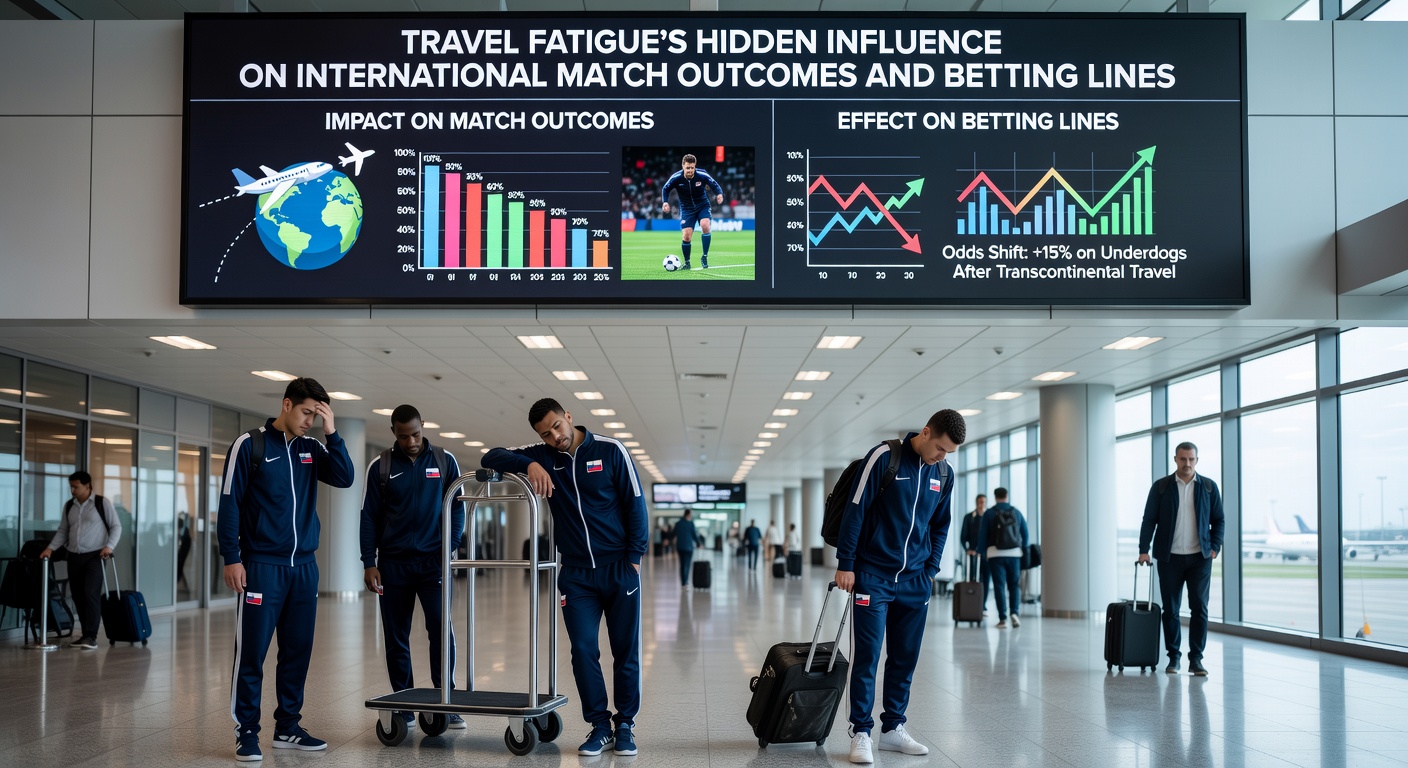
Betting operators incorporate travel fatigue indicators into their pricing algorithms alongside traditional factors such as recent form and head-to-head records, and lines often shift when public information emerges about delayed arrivals or abbreviated training camps; for instance, spreads in basketball internationals have tightened by two to four points when data indicates significant jet lag for the road side, while totals markets reflect reduced scoring projections when both teams face comparable travel burdens.
Research from the International Journal of Sports Physiology and Performance highlights how these variables interact with venue altitude and humidity, creating layered effects that sophisticated models attempt to quantify; meanwhile, regulatory bodies in Canada and Australia publish periodic reviews of sports integrity that reference travel-related performance variances as part of broader monitoring frameworks.
Market volatility tends to increase in the 24 hours before kickoff when last-minute roster announcements confirm fatigued starters remain in the lineup, and this dynamic prompts rapid line movements across multiple sportsbooks as volume concentrates on specific sides or totals.
Case Examples from Recent Seasons
One documented instance involved a European soccer side traveling to South America for a confederation match, where GPS data showed reduced sprint distances in the opening 30 minutes compared to domestic fixtures, and the resulting scoreline aligned with pre-match projections that had already discounted the visitors' output; another example from basketball qualifiers showed a North American team posting elevated turnover rates after a 14-hour journey, which oddsmakers had flagged through internal metrics before the line opened.
These episodes illustrate how accumulated data feeds into both tactical planning and market calibration, and similar situations are anticipated as 2026 calendars fill with fixtures requiring rapid continental shifts.
Conclusion
Travel fatigue registers as a quantifiable variable in international sports through documented changes in physical metrics and match statistics, and its influence extends into wagering markets via systematic adjustments to odds and spreads; as global schedules intensify through 2026, continued collection of performance and recovery data will likely refine both athletic preparation protocols and market pricing models across multiple disciplines.