22 Jul 2026
Altitude's Hidden Hand: How Mountain Air Rewrites Performance Data and Live Lines in High-Elevation Football and Basketball Fixtures

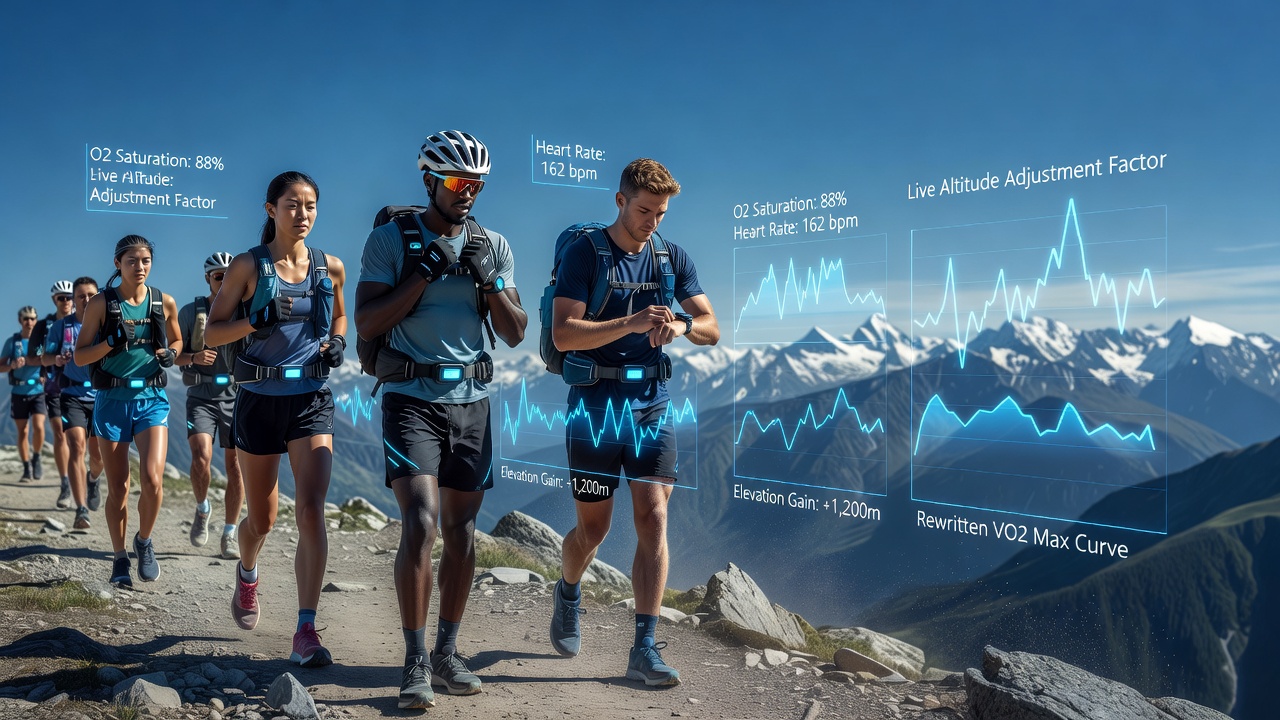
High-elevation venues introduce measurable physiological shifts that alter player output, team statistics, and real-time betting markets in both football and basketball, while data from multiple studies continues to document these patterns across competitive seasons. Athletes experience reduced oxygen availability above 5,000 feet, which triggers faster fatigue, altered recovery intervals, and changes in sprint frequency that appear consistently in match logs from locations such as Denver, Mexico City, and La Paz. Researchers tracking heart-rate variability and blood-oxygen saturation have recorded drops of 10 to 15 percent in sustained high-intensity efforts during the first 30 minutes of play, with partial acclimatization occurring only after several days at altitude.
Physiological Mechanisms at Work
Lower air density reduces aerodynamic drag yet simultaneously limits aerobic capacity, so teams that rely on pressing systems or transition speed encounter steeper performance curves once matches extend beyond the opening quarter. Studies published by institutions including the University of British Columbia demonstrate that maximal oxygen uptake declines by roughly 7 percent for every additional 1,000 meters of elevation, creating predictable shifts in distance covered and number of accelerations per player. Basketball contests follow similar trajectories, although the shorter court dimensions and frequent substitutions moderate some of the cumulative load compared with the continuous running demands of football.
Football Performance Patterns
Match data from CONCACAF and South American qualifiers played above 2,500 meters reveal systematic reductions in total distance run by visiting squads, while home sides maintain closer to sea-level benchmarks because of repeated exposure. Passing accuracy remains relatively stable, yet the frequency of long balls and set-piece attempts rises as players conserve energy for explosive moments rather than sustained possession sequences. Live odds compilers adjust totals downward for combined goals in the first half when both teams arrive without adequate acclimatization time, and they widen spreads when the visiting side has logged fewer than 48 hours at elevation.
Basketball-Specific Adjustments
In basketball, three-point volume and transition scoring percentages dip at venues such as the Pepsi Center and Estadio Azteca because fatigue sets in during the third quarter, prompting coaches to shorten rotations and emphasize half-court execution. Defensive rebounding rates increase slightly for acclimatized home teams, while visiting clubs record higher turnover counts linked to diminished lateral quickness. Performance databases maintained by NCAA and FIBA-affiliated statisticians show that teams traveling from below 1,000 feet post an average 6-point drop in offensive efficiency rating during the first game of a back-to-back series at altitude.
Impact on Live Betting Markets
Betting exchanges and sportsbooks update in-game lines within minutes of observing these deviations, with player-prop markets for points, assists, and total distance covered shifting faster than pre-match totals. When a visiting football side records fewer than 85 percent of its typical sprint count in the opening 15 minutes, algorithms trigger automatic reductions in expected goals and corners, while basketball markets see rapid movement on player fouls and rebound props once heart-rate data leaks into public feeds. Observers note that these adjustments stabilize only after the 20-minute mark, once initial physiological shock subsides and coaches implement tactical modifications.
Case Examples from July 2026
Fixtures scheduled for July 2026 at high-elevation sites continue to generate similar datasets, with preliminary reports from CONMEBOL qualifiers indicating that squads arriving directly from sea-level training camps concede more second-half goals once cumulative fatigue compounds. In basketball, summer league exhibitions staged in Colorado Springs have already produced box-score patterns that mirror regular-season trends, prompting oddsmakers to recalibrate live totals for three-pointers attempted after the sixth minute of each quarter. Those who monitor multiple seasons recognize that acclimatization protocols lasting four or more days narrow the performance gap, yet most commercial schedules still compress travel windows to 36 hours or less.
Data Sources and Measurement Tools
Performance-tracking systems deployed by major leagues capture these variables through wearable GPS units and optical cameras, feeding aggregated figures into publicly available research portals such as the National Institutes of Health archive and reports issued by the International Olympic Committee medical commission. Analysts cross-reference these metrics against historical betting-line movements to refine models that forecast when live markets will move beyond standard variance thresholds. The resulting adjustments reflect documented physiological responses rather than subjective impressions, allowing market participants to anticipate line shifts once elevation-related data streams become visible.
Conclusion
High-altitude environments systematically reshape physical output and statistical baselines in football and basketball, and those changes transmit directly into live-line volatility across global betting platforms. Continued collection of biometric and match data through 2026 and beyond will refine predictive thresholds, yet the core relationship between reduced oxygen availability and measurable performance decrements remains consistent across venues and competition levels.